
Why Marbella Continues to Attract International Commercial Property Investors
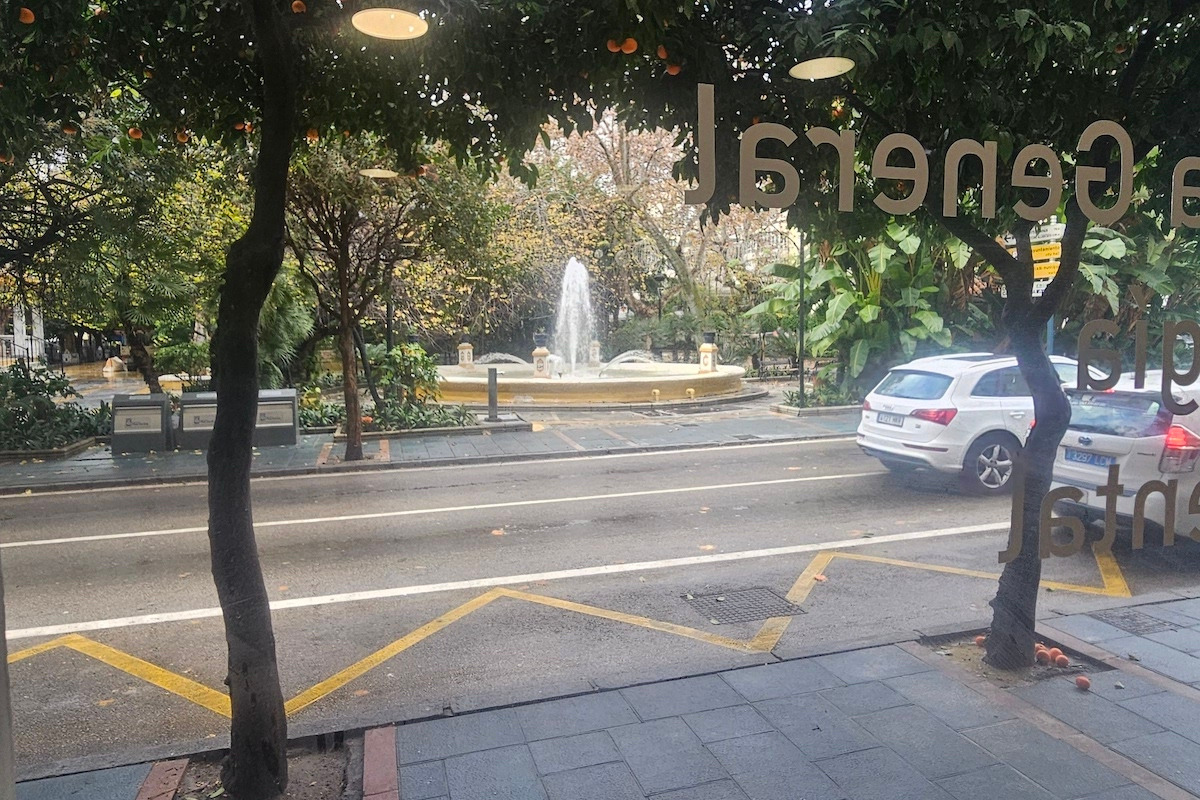
Marbella's commercial appeal rests on something unusual for a resort: a wealthy population that lives here all year. This guide covers marbella commercial investors and is written for overseas investors considering their first Marbella commercial purchase.
A Resident Base, Not Just a Tourist One
Marbella's appeal to commercial property investors stems significantly from its substantial year-round residential population rather than relying solely on seasonal tourism. Unlike coastal destinations that experience dramatic downturns outside peak summer months, Marbella benefits from a large community of permanent international residents who maintain consistent demand for retail outlets, restaurants, professional services and everyday amenities throughout the calendar year. This stable residential foundation creates a reliable customer base that supports commercial tenancies even during quieter periods when tourist numbers decline.
The town has evolved into a genuine residential hub where expatriates from across Europe and beyond have established permanent homes, requiring the full spectrum of goods and services that any established community needs. This demographic includes families with children attending local schools, retirees who have relocated permanently, and professionals working remotely or running businesses from the area. Their presence ensures that commercial premises serving everyday needs maintain footfall and trading activity during autumn and winter months when purely tourist-dependent locations struggle. For investors, this translates into greater tenant stability and reduced vacancy risk, as businesses catering to residents can operate profitably throughout the year rather than facing extended periods of reduced trade between holiday seasons.
Brand and Operator Demand
International retail and hospitality operators recognise that a Marbella address carries significant commercial weight with their target clientele. The town's established reputation as a luxury destination means that brands seeking to position themselves within the premium segment view a presence here as essential rather than optional. This applies equally to fashion retailers, fine dining establishments, and upscale leisure concepts that require an affluent customer base to sustain their business models.
The concentration of high-net-worth residents and visitors creates a competitive environment for commercial units, particularly in prime locations such as Puerto Banus and the Golden Mile. Operators understand that visibility in these areas provides access to customers with substantial spending power throughout the year, not merely during peak summer months. This sustained demand from established and emerging brands means that landlords can afford to be selective when choosing tenants, favouring those with proven track records and strong brand recognition.
The result is a commercial property market where quality units rarely remain vacant for extended periods. Competition amongst operators for the most desirable locations remains intense, with brands often willing to commit to longer lease terms to secure their preferred address and maintain their market position within Marbella's retail and hospitality sector.
Supply That Cannot Easily Expand
Marbella's commercial property market benefits significantly from natural constraints that limit the availability of new retail and office space in prime locations. The municipality sits between the Mediterranean coastline and the Sierra Blanca mountain range, creating inherent geographical boundaries that restrict outward expansion. This topography has historically concentrated commercial development within established areas such as the Golden Mile, Puerto Banus, and the town centre, where available land parcels have become increasingly scarce.
Planning regulations further reinforce these limitations. Local authorities maintain strict controls over new construction, particularly in mature commercial districts where building heights, densities, and usage classifications are carefully regulated. The preservation of Marbella's architectural character and environmental standards means that obtaining permissions for new commercial schemes can be a lengthy and complex process. Additionally, much of the surrounding land falls under protected status or has already been developed for residential purposes, leaving few opportunities for large-scale commercial projects.
These supply constraints create a market dynamic where established commercial premises in proven locations retain their value proposition. Unlike cities with extensive development corridors, Marbella's commercial property supply remains relatively fixed, particularly in areas with established footfall and trading histories.
What International Buyers Underestimate
International purchasers frequently underestimate the administrative complexity of acquiring commercial property in Spain. Licensing requirements vary considerably between municipalities along the Costa del Sol, and what applies in Marbella may differ substantially from regulations in Estepona or Manilva. Obtaining the correct operational licences for hospitality or retail premises often takes longer than anticipated, particularly when change-of-use applications are involved. Lease structures in Spain follow different conventions to those in northern European markets or North America, with responsibility for maintenance and insurance allocated in ways that can surprise foreign investors. The gap between advertised terms and what proves negotiable in practice requires local knowledge to navigate effectively. Properties marketed at certain conditions may have considerably more flexibility than initially presented, whilst others have constraints not immediately apparent from listing details. Currency fluctuations between agreement and completion can materially affect transaction costs, yet many buyers fail to hedge this exposure adequately. Engaging a commercial property adviser with established relationships among local landlords, developers and municipal authorities proves invaluable in bridging these gaps. The difference between a straightforward acquisition and a protracted process often lies in understanding which obstacles are genuinely fixed and which can be resolved through appropriate local expertise.
Marbella For Business specialises in commercial property across Marbella, Puerto Banus, San Pedro, Estepona and Malaga — retail units, restaurant premises, offices and investment stock.
Browse property in Marbella, or tell us what you are looking for and we will tell you what is realistically available.
+34 677 100 032