
Marbella Restaurants and Hospitality: Investment and Business Opportunities
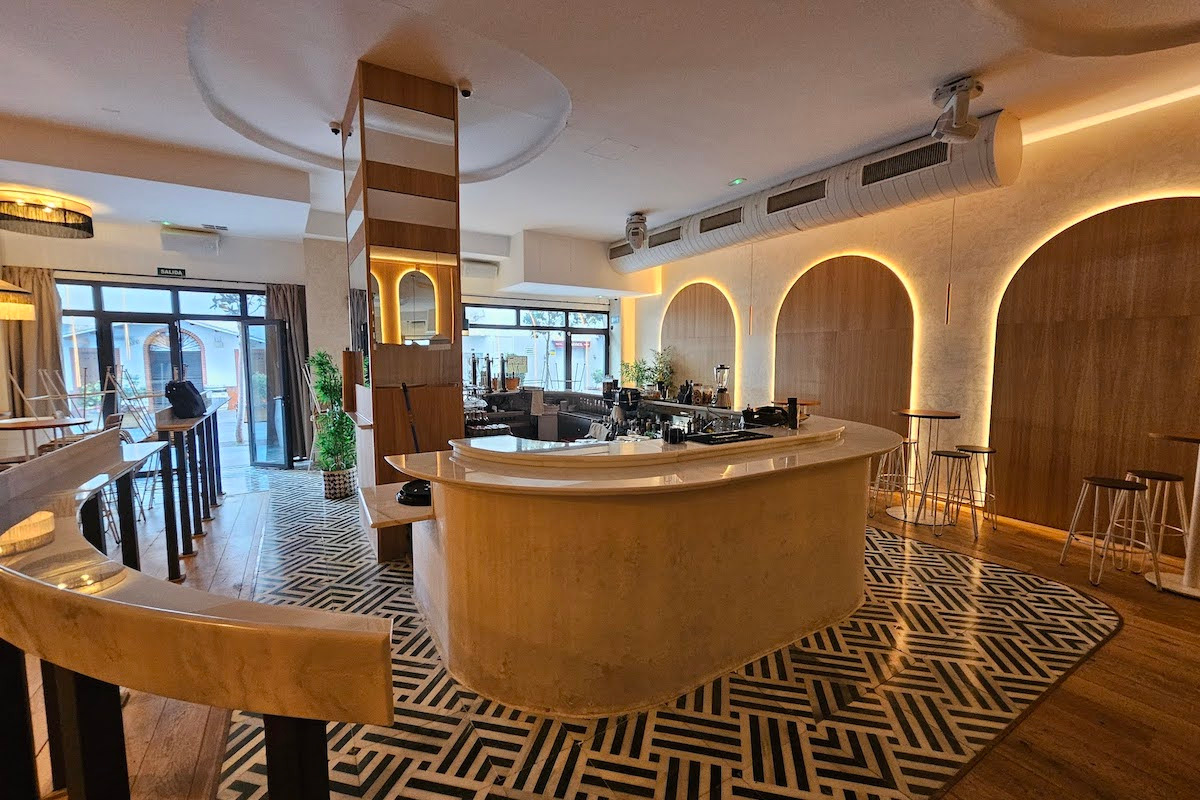
Hospitality is the most actively traded commercial sector on this coast, and the least straightforward. This guide covers restaurant premises marbella and is written for operators and investors entering Marbella hospitality.
Why Hospitality Trades So Actively
Restaurant and hospitality premises typically change ownership far more frequently than conventional retail units, a pattern particularly evident across Marbella, Puerto Banus and other established Costa del Sol locations. This higher turnover stems from several factors inherent to the sector. The hospitality industry demands intensive personal involvement and long working hours, leading many owner-operators to sell after several years when lifestyle priorities shift or retirement approaches. Seasonal trading patterns along the coast can also influence decisions, as can the creative ambitions of chefs and restaurateurs who prefer to move on to new concepts rather than maintain a single establishment indefinitely.
For prospective buyers, this active market creates genuine opportunity. The regular availability of established premises means investors can often acquire operational businesses with existing licences, fitted kitchens and dining areas already configured to trading standards. Rather than facing the complexity and delay of securing permissions and installing infrastructure from scratch, purchasers can focus on refining the concept and building their customer base. The frequency of transactions also means comparable sales data remains current, helping buyers make informed decisions. However, the same turnover rate underscores the sector's demands, requiring anyone considering acquisition to assess their commitment and operational capability carefully before proceeding with purchase.
Licence, Extraction and Terrace
When evaluating restaurant and hospitality premises in Marbella and surrounding areas, investors should recognise that operational permissions often carry greater weight than the physical property itself. The activity licence determines what type of establishment may legally operate from the premises, with distinctions between cafeterias, restaurants, bars and nightclubs affecting both operational potential and asset value. Extraction systems represent another critical consideration, as adequate ventilation and smoke extraction infrastructure can prove expensive to install retrospectively and may face technical limitations in certain buildings. Properties with existing extraction capability command premium valuations because they enable full kitchen operations without substantial capital expenditure. Terrace rights add further complexity to the valuation equation, particularly in coastal locations where outdoor dining space significantly enhances revenue potential during extended Mediterranean seasons. These permissions attach to specific premises rather than operators, making them transferable assets that survive changes in ownership or management. Prospective buyers should conduct thorough due diligence on all three elements before committing to any transaction, as limitations in licensing, extraction or terrace provision can fundamentally restrict business models and constrain returns regardless of location quality or interior condition.
Location Types and What They Suit
Marina locations such as Puerto Banus attract international visitors and yacht owners seeking waterfront dining experiences, making them particularly suitable for upscale restaurants and cocktail bars that can capitalise on high footfall during peak season. The clientele tends to be transient, with strong demand for Mediterranean cuisine and premium service standards. Old town settings in Marbella and Estepona appeal to tourists exploring historic quarters and residents seeking authentic atmosphere, where tapas bars, cafés and traditional restaurants perform well throughout the year. These areas benefit from pedestrian traffic and repeat custom from both visitors and locals. Residential neighbourhoods in Nueva Andalucia and San Pedro de Alcantara support establishments catering to year-round residents, including family restaurants, casual dining venues and local bars that rely on consistent patronage rather than seasonal peaks. Success in these locations depends on building community relationships and offering reliable quality. Destination villages such as Benahavis draw diners specifically for the culinary experience, often travelling from surrounding areas. Restaurants in these settings can command attention through reputation and specialisation, though they must account for lower passing trade and greater reliance on destination appeal. Each location type presents distinct operational considerations regarding seasonality, target market and service model.
Assessing an Existing Business
When evaluating an operational restaurant, prospective buyers must conduct thorough due diligence beyond what would be required for an empty premises. Financial records warrant careful scrutiny, including profit and loss statements, tax returns, and supplier invoices to verify the accuracy of reported trading performance. The existing lease terms require close examination, particularly regarding assignment provisions, remaining duration, and any restrictions on use or alterations that might affect future operations.
The condition of kitchen equipment, furniture, and fixtures should be professionally assessed to determine replacement costs and remaining useful life. Staff contracts and employment obligations transfer with the business in many cases, making it essential to understand existing commitments and wage structures. Licences and permits must be verified as current and transferable, including health certifications and alcohol licences specific to the municipality.
Customer base analysis provides insight into repeat patronage and seasonal fluctuations, whilst the restaurant's online reputation and social media presence increasingly influence ongoing viability. Engaging a specialist accountant familiar with hospitality businesses in Marbella and surrounding areas proves invaluable in identifying potential issues within financial documentation. Similarly, instructing a commercial solicitor experienced in restaurant acquisitions ensures proper contract review and protects against unforeseen liabilities that might otherwise emerge post-completion.
Marbella For Business specialises in commercial property across Marbella, Puerto Banus, San Pedro, Estepona and Malaga — retail units, restaurant premises, offices and investment stock.
Browse restaurants and bars for sale, or tell us what you are looking for and we will tell you what is realistically available.
+34 677 100 032