
From Restaurant to Retail: Which Commercial Sectors Are Growing in Marbella?
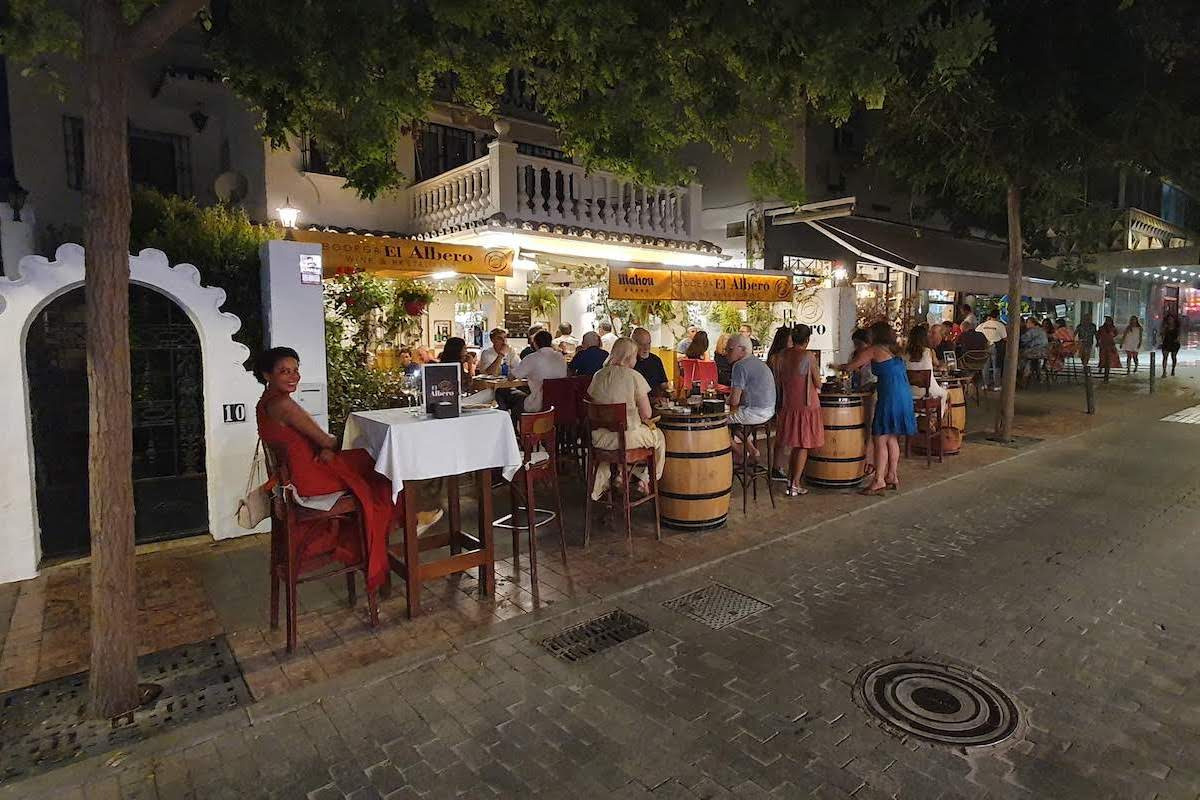
Demand for commercial space here is shifting between uses, and the shift is not obvious from a walk down the main street. This guide covers commercial sectors marbella and is written for investors deciding which sector to back.
Sectors Taking More Space
Several commercial sectors have been steadily expanding their presence across Marbella and the wider Costa del Sol. Health and wellness facilities continue to secure larger premises as demand intensifies for gyms, yoga studios, physiotherapy clinics and specialist treatment centres. The resident population and long-stay visitors increasingly prioritise fitness and wellbeing services, driving operators to seek more substantial commercial space.
Coworking and flexible office providers have also claimed considerable square footage in recent years. Remote workers, digital entrepreneurs and international professionals require professional workspace with reliable infrastructure, particularly in areas such as Puerto Banus and Nueva Andalucia where the international community remains strong.
Supermarkets and grocery retailers serving both local and expatriate communities have expanded their footprint, with international chains and speciality food shops taking on larger units to accommodate diverse product ranges. Meanwhile, childcare facilities and international education providers require ever more space as families settle in locations including San Pedro de Alcantara and Estepona.
The leisure and entertainment sector has similarly grown, with experiential venues such as escape rooms, indoor activity centres and family entertainment concepts occupying units that might previously have suited traditional retail. These uses reflect evolving consumer preferences and the area's year-round residential appeal.
Sectors Under Pressure
Traditional retail formats face mounting challenges across Marbella and the wider Costa del Sol as consumer habits continue to evolve. High street fashion outlets have struggled to maintain footfall, with shoppers increasingly drawn to online alternatives or larger retail parks offering convenience and parking. The shift towards digital commerce has left many conventional clothing and accessory shops reconsidering their physical presence, particularly in secondary locations away from prime thoroughfares.
Banking branches have steadily reduced their visibility throughout Puerto Banus, Nueva Andalucia and San Pedro de Alcantara as customers embrace mobile and internet banking services. The need for physical premises has diminished considerably, leading to closures and consolidations that leave prominent corner units vacant.
Travel agencies have similarly contracted, unable to compete with direct booking platforms and comparison websites that offer immediate price transparency. The personal service model that once defined this sector has proven insufficient to retain customers who value speed and autonomy in their holiday planning.
Print media retailers and stationers have also retreated as digital consumption replaces physical newspapers, magazines and office supplies. These businesses, once reliable high street anchors, now occupy far less commercial space than in previous years, reflecting fundamental changes in how information and goods are accessed.
Why Conversion Between Uses Is Hard
Converting a commercial unit from one use to another presents considerable challenges for property owners in Marbella and surrounding areas. The primary obstacle involves obtaining the necessary licences from local authorities, which requires navigating complex planning regulations that vary between municipalities. A former restaurant space cannot simply become a retail shop without proper authorisation, as each commercial activity falls under different licensing categories with distinct requirements for health and safety, accessibility, and environmental compliance.
Physical modifications often prove equally demanding. Restaurant premises typically feature extensive kitchen installations, ventilation systems, grease traps, and plumbing designed for food preparation, whilst retail units require different layouts emphasising display areas and customer circulation. Removing commercial kitchen equipment and reconfiguring utilities represents a substantial investment before any new fitout begins. Ground floor units with existing restaurant licences may face restrictions on alternative uses, particularly in areas where local councils seek to maintain specific commercial character.
The approval process can extend over many months, during which the property generates no income. Landlords must weigh these conversion costs and vacant periods against potential returns from different tenant types, making such transitions financially viable only when market conditions strongly favour the change.
What This Means for an Investor
Understanding these sectoral dynamics should directly inform acquisition strategy rather than simply following historical patterns. Investors ought to prioritise units with flexible configurations that can accommodate evolving retail concepts, particularly those with adequate frontage and ceiling height for experiential brands. Properties in established commercial zones near residential concentrations in areas such as San Pedro de Alcántara and Nueva Andalucía warrant closer examination, as these locations support the convenience-led retail that continues to expand.
The shift away from traditional restaurant formats suggests caution when evaluating premises designed exclusively for food service, particularly those requiring extensive extraction systems or lacking alternative uses. Conversely, units that can transition between retail and hospitality functions offer greater resilience against further sectoral changes. Ground-floor spaces with independent access and visibility remain fundamentally sound, though the tenant profile may differ markedly from previous years.
Rather than attempting to predict which specific retail categories will dominate, investors should focus on locational fundamentals: pedestrian flow, parking provision, and proximity to complementary businesses. Properties that satisfy these criteria across Puerto Banús, Marbella town centre, and Estepona's commercial districts provide the flexibility to capture demand regardless of which retail subsectors ultimately prove most durable in the current environment.
Marbella For Business specialises in commercial property across Marbella, Puerto Banus, San Pedro, Estepona and Malaga — retail units, restaurant premises, offices and investment stock.
Browse commercial property listings, or tell us what you are looking for and we will tell you what is realistically available.
+34 677 100 032