
The Marbella-Estepona Corridor: An Investment Zone Worth Understanding
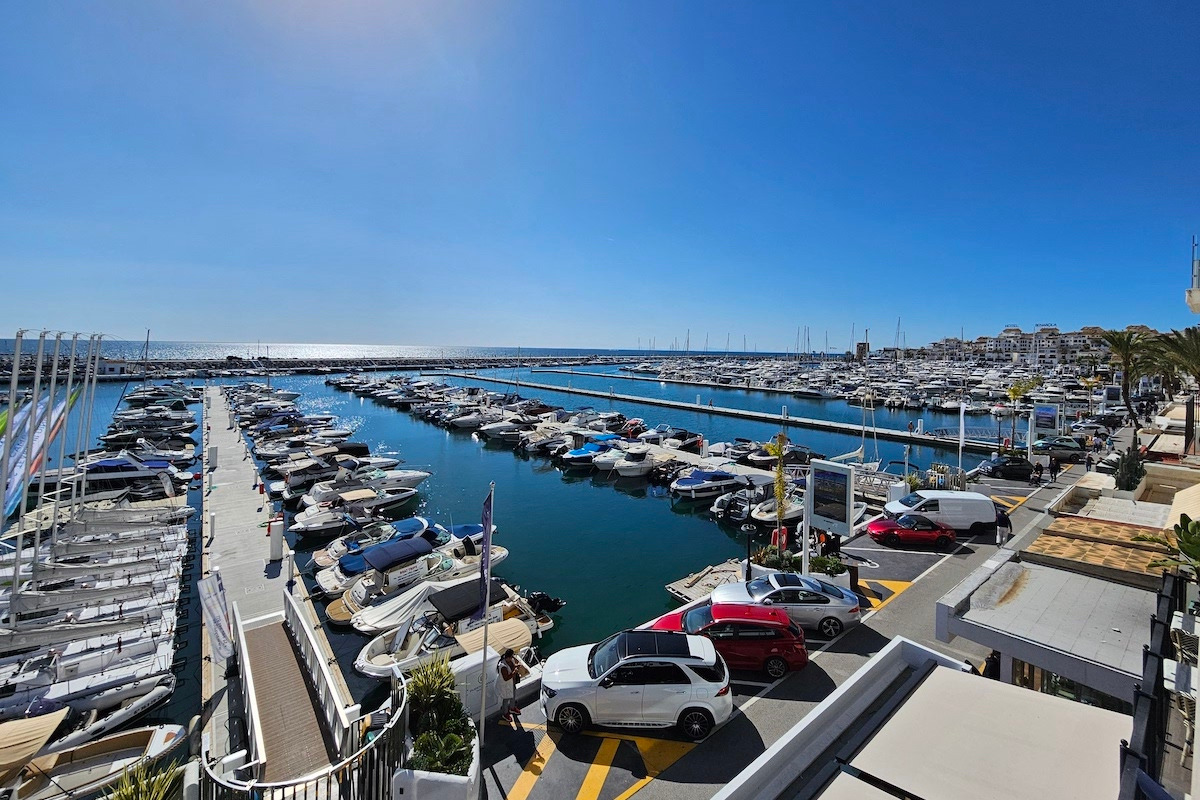
The stretch between the two towns has been filling with residents for years while its commercial provision lagged behind. This guide covers marbella to estepona corridor and is written for investors looking beyond the established town centres.
What the Corridor Actually Is
The corridor stretches approximately twenty-five kilometres along the Mediterranean coastline between Marbella and Estepona, forming one of the most developed sections of the western Costa del Sol. This coastal strip encompasses several distinct municipalities and urbanised areas, including Puerto Banus, Nueva Andalucia, and San Pedro de Alcantara, each contributing to the continuous built environment that characterises the zone.
Residential development follows a relatively consistent pattern throughout the corridor. The beachfront and areas within walking distance of the shore feature predominantly high-density apartment complexes and townhouse communities, many constructed during successive building phases over recent decades. Moving inland towards the foothills of the Sierra Blanca and surrounding mountain ranges, the development pattern shifts towards lower-density villa estates and gated residential communities, often positioned to capture sea views.
The AP-7 motorway runs parallel to the coast throughout much of the corridor, serving as an informal dividing line between coastal and inland development zones. The N-340 coastal road connects the various population centres and commercial districts, creating accessibility between Marbella and Estepona. This dual transport infrastructure has facilitated the corridor's evolution into a substantially urbanised coastal belt whilst maintaining connections to the mountainous interior, including access routes towards Benahavis.
Why Commercial Provision Lagged
The corridor between Marbella and Estepona experienced extraordinary residential expansion over several decades, driven primarily by international demand for holiday homes and permanent residences. Developers focused overwhelmingly on housing projects, from apartment complexes to villa communities, responding to robust appetite from northern European buyers. This residential-first approach created extensive urbanisation along the coastal strip, yet commercial infrastructure struggled to keep pace with the growing population base.
Planning frameworks historically favoured residential zoning, whilst commercial land allocation remained comparatively modest. The result was an imbalance between the number of residents and the availability of everyday services, professional office space, and retail facilities. Many communities found themselves reliant on distant town centres for basic amenities, creating inconvenience and highlighting the gap in local provision.
Furthermore, residential developers typically prioritised speed to market over mixed-use schemes that might have integrated commercial elements. The absence of sufficient commercial anchor points meant that nascent business districts failed to materialise organically. As the resident base matured and diversified, demand for proximate workspace, medical facilities, and retail options intensified, yet supply remained constrained. This structural undersupply has gradually positioned the corridor as an area where commercial development opportunities merit serious consideration from investors seeking fundamentally underserved markets.
What That Creates
This concentration of residential wealth generates consistent demand for commercial premises serving everyday needs within convenient reach. Residents require accessible locations for their regular shopping, personal services, dining and professional requirements rather than travelling to larger centres for routine matters. The result is sustained occupier interest in neighbourhood retail units, medical and dental surgeries, estate agencies, legal practices, accountancy firms, beauty salons, gyms, supermarkets and restaurants positioned within the residential fabric of the corridor.
Such commercial space benefits from a customer base with spending capacity and expectations of quality, creating conditions where established operators and independent businesses can trade successfully alongside one another. The demand extends beyond purely retail uses to encompass office space for professional services, as many residents require local access to financial advisors, solicitors, architects and other consultants. Healthcare provision also features prominently, with private clinics and specialist practices finding ready custom.
This pattern differs markedly from purely tourist-focused commercial property, as the requirement exists throughout the year rather than fluctuating with seasonal visitor numbers. Consequently, investors examining the corridor should recognise that residential growth directly underpins demand for well-located commercial premises serving the daily requirements of the resident population across Marbella, San Pedro de Alcántara and Estepona.
How to Assess a Unit Here
When evaluating a commercial unit in this corridor, begin by examining vehicular access from the main coastal route and interior roads. Properties set back from primary thoroughfares may suffer reduced visibility, whilst those on congested sections can deter customers during peak periods. Parking provision matters considerably: insufficient spaces will limit trade regardless of other merits, particularly for retail and hospitality uses where convenience drives footfall.
Consider the catchment area realistically. Units positioned between established centres such as San Pedro de Alcantara and Estepona may draw from both directions, whilst those in less developed stretches rely heavily on immediate residential density. Assess whether surrounding properties are occupied year-round or remain seasonal, as this directly affects trading consistency.
A critical risk involves dependence on a single residential development for custom. Should occupancy rates disappoint or the demographic profile differ from projections, commercial units can face prolonged vacancy. Diversified catchment areas offer greater resilience. Before committing, verify planning permissions for surrounding plots, as future competition or complementary amenities will reshape the trading environment. Finally, engage local commercial agents familiar with tenant demand patterns and typical lease terms in the immediate vicinity, as conditions vary markedly even within short distances along this extended corridor.
Marbella For Business specialises in commercial property across Marbella, Puerto Banus, San Pedro, Estepona and Malaga — retail units, restaurant premises, offices and investment stock.
Browse commercial listings, or tell us what you are looking for and we will tell you what is realistically available.
+34 677 100 032