
New Developments, New Customers: How Population Growth Is Changing Costa del Sol Retail
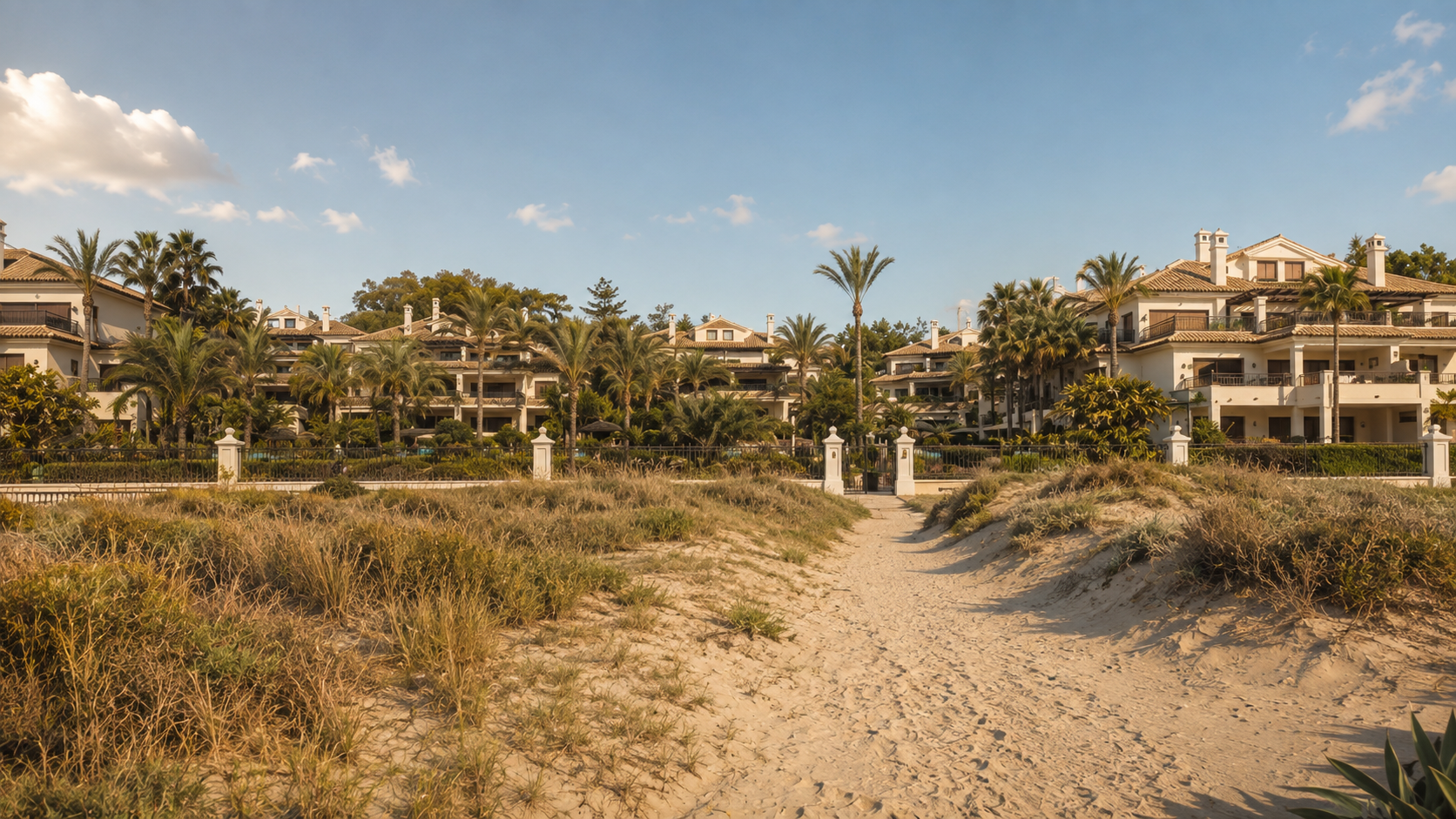
Residents shop differently from visitors, and the coast has been gaining a lot of residents. This guide covers population growth costa del sol retail and is written for investors assessing how demographics affect commercial demand.
Residents Versus Visitors as Customers
Understanding the distinction between residents and visitors proves essential for retail strategy on the Costa del Sol. Residents demonstrate consistent year-round purchasing behaviour, favouring everyday necessities, regular grocery shopping, and services such as banking, healthcare, and home improvement. Their spending follows predictable weekly patterns and they develop loyalty to particular establishments. This customer base provides stable revenue streams throughout quieter months and forms the foundation of sustainable retail operations.
Visitors, by contrast, concentrate their spending during peak holiday periods, particularly summer months and holiday weekends. Their purchases lean heavily towards dining, entertainment, fashion, and gift items rather than routine household goods. Tourist spending tends to be more impulsive and focused on experience rather than value, with higher transaction values per visit but no repeat custom beyond their stay. Retailers in areas such as Marbella and Puerto Banus must balance inventory and staffing to accommodate these seasonal fluctuations whilst maintaining service for permanent residents.
The most successful retail operations recognise these differing patterns and adapt their offerings accordingly. Mixed-use developments increasingly cater to both segments, combining everyday amenities for residents with leisure-oriented retail that attracts visitor spending during peak seasons.
Where New Residents Are Settling
The residential expansion across the Costa del Sol follows several distinct geographical patterns that are reshaping the region's demographic profile. Coastal municipalities between Marbella and Estepona continue to attract considerable numbers of new residents, with development extending both along the shoreline and into the hillside areas that offer sea views. The western corridor, particularly around Estepona and extending towards Manilva and Casares, has seen substantial residential construction, drawing buyers seeking newer properties at various price points.
Inland locations such as Benahavis and parts of Nueva Andalucia appeal to those prioritising space, privacy, and natural surroundings, whilst remaining within convenient distance of coastal amenities. Malaga itself has experienced notable residential growth, particularly in areas that combine urban convenience with residential appeal. The city attracts a different demographic profile, including younger professionals and families seeking employment opportunities alongside international connectivity.
San Pedro de Alcantara has evolved as a residential hub that bridges the gap between urban convenience and resort-style living. Meanwhile, the areas surrounding Puerto Banus continue to develop, accommodating residents drawn to proximity to marina facilities and established infrastructure. This dispersed pattern of settlement reflects the diverse motivations driving population growth across the region.
Which Commercial Uses Benefit
Residential expansion fundamentally reshapes the commercial property landscape by creating sustained demand for convenience-oriented businesses. Supermarkets, pharmacies and everyday retail outlets benefit most directly from a growing local population, as these services depend on frequent, repeat custom rather than occasional tourist footfall. Areas such as Estepona and San Pedro de Alcantara have witnessed increased interest in neighbourhood shopping centres and standalone units suited to grocery retailers and essential services.
Healthcare facilities, including private clinics and dental practices, similarly gain from a stable resident base that requires ongoing medical attention throughout the year. The shift towards permanent or long-term residence among international buyers has strengthened demand for English-speaking medical services across Marbella and Nueva Andalucia.
Casual dining establishments oriented towards local custom rather than destination dining also prosper in areas with growing residential communities. Neighbourhood restaurants, cafeterias and bakeries thrive on regular patronage from nearby households, creating opportunities for operators seeking reliable year-round trade. Personal services such as hairdressers, dry cleaners and fitness studios follow similar patterns, with their viability closely tied to the density and permanence of the surrounding population. This resident-driven demand provides commercial landlords with tenant categories that offer stability beyond the traditional seasonal cycles.
The Lag Between Homes and Shops
When residential developments rise from the ground in areas such as Estepona or Manilva, the commercial infrastructure rarely keeps pace. This temporal gap exists for straightforward reasons: developers prioritise housing construction to meet immediate demand, whilst retail and service operators adopt a more cautious approach. They require evidence of sustained occupancy and spending patterns before committing capital to new premises. Planning permissions for commercial units often follow separate timelines, and fit-out periods for shops and restaurants extend well beyond those for residential properties.
This lag creates a window of opportunity for commercial property investors and retailers willing to enter emerging markets ahead of full maturity. Early movers in areas like Nueva Andalucia or San Pedro de Alcantara historically secured favourable lease terms and established customer loyalty before competition intensified. The challenge lies in accurate timing: enter too early and the customer base remains insufficient; wait too long and prime locations disappear. Successful commercial positioning in growing residential zones depends on monitoring occupancy trends, observing infrastructure improvements, and maintaining relationships with developers who can signal when critical mass approaches. Those who master this timing benefit from reduced competition during the crucial establishment phase.
Marbella For Business specialises in commercial property across Marbella, Puerto Banus, San Pedro, Estepona and Malaga — retail units, restaurant premises, offices and investment stock.
Browse commercial property listings, or tell us what you are looking for and we will tell you what is realistically available.
+34 677 100 032