
Marbella Retail Market: Why International Brands Continue to Look for Space
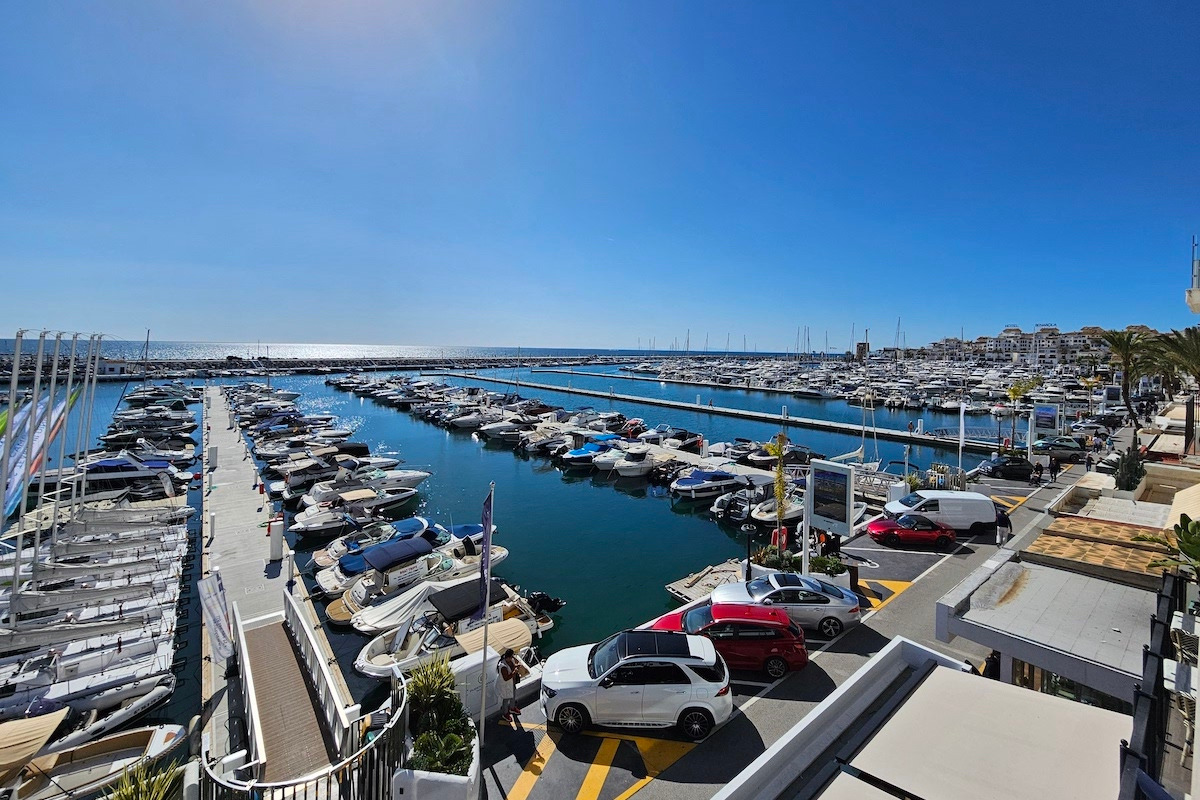
Brand requirements on this coast are narrow and specific, which is exactly why so few units satisfy them. This guide covers marbella retail market and is written for retail operators and investors assessing tenant demand.
What Brands Actually Require
International retailers arriving in Marbella and the wider Costa del Sol typically present property requirements that reflect their global standards and operational needs. Frontage width proves critical, with most established retailers seeking prominent street presence to maximise visibility and brand impact. Floor area specifications vary considerably depending on the retail concept, though most require sufficient space to display their full product range whilst maintaining the customer experience standards expected across their estate.
Ceiling height represents another non-negotiable element, particularly for fashion and lifestyle retailers who rely on proper lighting systems and visual merchandising installations. Many brands stipulate minimum heights to accommodate their standard fit-out specifications. Neighbouring covenant provisions also feature prominently in lease negotiations, as retailers seek to control the tenant mix surrounding their stores and protect their brand positioning within any given location.
Servicing arrangements require careful consideration, with dedicated delivery access and adequate storage facilities forming part of most requirement schedules. Ground floor locations with rear access remain particularly desirable, allowing stock replenishment without disrupting the customer-facing areas. These technical requirements, combined with location criteria, mean that suitable properties capable of accommodating international retailers remain relatively limited, even in established retail destinations such as Puerto Banus and central Marbella.
Why Marbella Stock Often Fails Those Tests
Much of the existing retail accommodation in Marbella and surrounding areas was constructed several decades ago when international retail requirements differed considerably from today's standards. Many units feature narrow frontages, limited ceiling heights, and floor plates that cannot accommodate modern merchandising layouts or the technology infrastructure that contemporary retailers now consider essential. The configuration of older commercial buildings often includes columns and structural elements positioned in ways that interrupt sightlines and restrict flexible space planning. Loading access presents another common obstacle, as historic town centre properties frequently lack dedicated service areas or sufficient rear access for delivery vehicles, forcing retailers to manage stock movements through customer-facing entrances during trading hours.
Storage capacity within older units typically falls short of current operational needs, particularly for retailers operating omnichannel models that require space for online order fulfilment alongside traditional inventory. Ground floor ceiling heights in many established buildings cannot accommodate the lighting systems, ventilation, and visual merchandising installations that brand guidelines now mandate. Furthermore, the protected status of certain buildings in older quarters limits the extent of internal modifications and façade alterations that landlords can undertake, effectively ruling out these properties for retailers whose corporate standards require specific architectural features and consistent brand presentation across their portfolio.
Where Brand Demand Concentrates
International retailers consistently gravitate towards established retail corridors where pedestrian traffic remains high throughout the year and purchasing power aligns with premium positioning. The most compelling pitches combine visibility from main thoroughfares with proximity to complementary retail offerings that create natural shopping circuits. Ground floor units with generous frontage in areas frequented by both residents and visitors generate the strongest enquiries, particularly where parking infrastructure supports convenient access.
Conversely, pitches situated away from these concentrated retail zones struggle to attract brand interest, regardless of unit quality. Locations lacking year-round footfall or those positioned in predominantly residential areas without retail density face considerably longer letting periods. Upper floor space, while suitable for certain service-oriented occupiers, rarely appeals to fashion and lifestyle retailers whose business models depend upon street-level exposure and spontaneous customer engagement.
The distinction between successful and overlooked retail locations often comes down to catchment characteristics rather than physical attributes alone. Areas drawing international visitors alongside affluent local populations provide the dual customer base that justifies brand investment in physical retail presence. Retailers increasingly scrutinise whether a location can deliver consistent performance across seasonal variations, making year-round appeal a determining factor in site selection decisions for the Costa del Sol market.
What This Means for Landlords
Property owners seeking to attract international retail operators should focus on several key factors that influence letting decisions. The physical condition of the unit matters considerably, with well-maintained facades, modern fitting-out standards and adequate floor-to-ceiling heights proving essential for brands with specific design requirements. Clear title documentation and straightforward lease structures also facilitate negotiations, as corporate tenants typically require standardised agreements that align with their global property portfolios.
Location characteristics remain paramount, particularly visibility from main thoroughfares and proximity to complementary retail offerings that generate consistent footfall throughout the year. Units with flexible layouts that can accommodate both customer-facing areas and back-of-house operations tend to appeal to a broader range of operators. Ensuring proper licensing permissions are in place before marketing can significantly reduce transaction timelines.
Working with advisors who understand both local planning regulations and the operational needs of international retailers helps bridge potential gaps in expectations. Owners willing to consider longer lease terms and professional tenant relationships often find themselves better positioned in what remains a competitive market. The practical step forward involves preparing properties to meet institutional standards whilst maintaining realistic discussions about lease structures that work for both parties over the medium term.
Marbella For Business specialises in commercial property across Marbella, Puerto Banus, San Pedro, Estepona and Malaga — retail units, restaurant premises, offices and investment stock.
Browse commercial properties, or tell us what you are looking for and we will tell you what is realistically available.
+34 677 100 032