
Puerto Banus Retail Property: Are Prime Rents Still Sustainable?
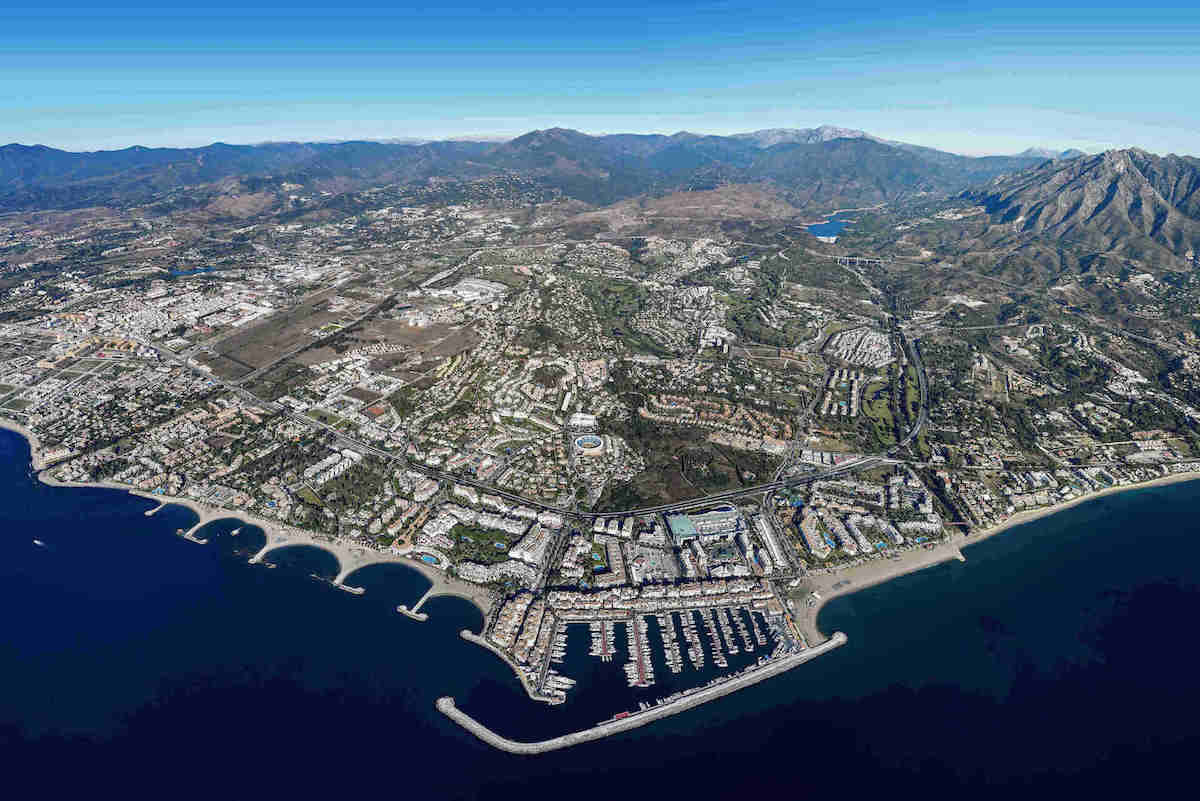
Puerto Banus carries the coast's highest retail rents on a trading year that effectively runs for five months. This guide covers puerto banus retail and is written for investors and retailers assessing Puerto Banus risk.
The Seasonality Problem
The retail calendar in Puerto Banus presents a stark contrast between summer vitality and winter quietude that fundamentally shapes the economics of trading in this location. Whilst the summer months deliver concentrated footfall driven by international tourism and seasonal residents, the period from November through February sees a dramatic contraction in visitor numbers and consumer activity. This seasonal compression creates a challenging revenue profile for retailers, who must generate sufficient income during the peak months to sustain operations throughout the quieter winter period. The implications for occupiers are considerable, as fixed costs including rent, staff wages and utilities continue regardless of trading conditions. Many retailers find themselves carrying substantial overheads during months when turnover falls markedly, placing pressure on annual profitability. This cyclical pattern affects cash flow management and makes financial planning more complex than in year-round trading locations such as Madrid or Barcelona. For landlords, the seasonality question becomes central to discussions around sustainable rent levels, as tenants must balance their rental commitments against an income stream that remains heavily weighted towards a relatively short high season. The winter trough therefore represents a structural challenge that influences the viability of retail operations across the marina district.
What Justifies the Premium
The premium commanded by Puerto Banus retail space rests on several enduring commercial advantages that continue to attract international luxury brands. The marina frontage offers unparalleled visibility to an affluent audience, with retailers benefiting from exposure to yacht owners and visitors who represent some of the highest spending demographics in southern Europe. This captive audience of luxury consumers creates conditions where conversion rates and average transaction values typically exceed those found in conventional high street locations.
Equally significant is the finite supply of prime waterfront positions. Unlike shopping centres or urban retail districts that can expand, the marina's physical boundaries create natural scarcity. This limitation ensures that available units remain highly competitive, with established brands reluctant to relinquish their presence even during challenging trading periods. The concentration of luxury retail within a compact area also generates a self-reinforcing appeal, drawing visitors specifically to browse premium goods in a leisure setting.
Furthermore, Puerto Banus functions as a brand showcase rather than merely a sales channel. The reputational value of maintaining a presence in this internationally recognised location extends beyond immediate commercial returns, offering marketing benefits that justify the occupancy costs for many retailers. This combination of audience quality, physical scarcity, and brand positioning continues to underpin the rental premium.
Signs of Strain to Watch For
Several warning signals merit attention when assessing whether rental expectations have become detached from underlying demand fundamentals. Increased unit turnover represents one such indicator, as retailers cycling through premises more frequently than historical norms may suggest that trading conditions no longer justify the occupancy costs being demanded. When secondary and tertiary pitches begin showing elevated vacancy periods, this often foreshadows pressure on prime locations, as the commercial ecosystem requires healthy absorption across all tiers to remain sustainable.
Lease structures provide another revealing metric. A shift towards shorter commitment periods, with tenants favouring break clauses or resisting longer terms, typically signals caution about future trading prospects at current cost levels. Similarly, when landlords find themselves offering more generous incentive packages or rent-free periods to secure lettings, this suggests that headline rates may have moved ahead of what occupiers can reasonably support through operational cash flow.
The composition of enquiries also warrants scrutiny. An increasing proportion of temporary concepts, pop-up ventures, or businesses seeking only short-term arrangements may indicate that conventional retailers are finding the risk-reward equation less compelling than in previous cycles.
How Operators Make It Work
Successful operators in Puerto Banus have developed sophisticated strategies to navigate the pronounced seasonal fluctuations that characterise the retail calendar. Many negotiate lease structures that acknowledge the reality of quieter winter months, incorporating turnover-based components that provide flexibility when footfall naturally declines. This approach aligns landlord and tenant interests more closely than traditional fixed arrangements. Retailers also adapt their product mix and staffing levels throughout the year, maintaining a core offering whilst scaling operations to match demand patterns. Some operators use the off-season to undertake refurbishments and staff training, turning quieter periods into opportunities for improvement rather than simply enduring reduced activity.
The most resilient tenants tend to be those with diversified revenue streams, including strong online channels that complement physical retail presence. International brands with established customer bases can leverage their broader marketing reach to maintain awareness during slower months. Meanwhile, operators targeting the substantial year-round residential population in Marbella and surrounding areas have proven more insulated from seasonal swings than those relying exclusively on tourist spending. For landlords evaluating prospective tenants, understanding these operational capabilities and business models has become as important as assessing brand recognition, particularly when considering lease terms that must remain viable across the full annual cycle.
Marbella For Business specialises in commercial property across Marbella, Puerto Banus, San Pedro, Estepona and Malaga — retail units, restaurant premises, offices and investment stock.
Browse property in Puerto Banus, or tell us what you are looking for and we will tell you what is realistically available.
+34 677 100 032